
Why Dubai’s Gold And Glass Trend Is Influencing Luxury Home Decor Everywhere
/Dubai’s skyline may be built from towers, but the design influence is no longer staying outdoors.
Across luxury interiors, home decor collections, boutique hotels, and even furniture showrooms, the same gold-and-glass aesthetic dominating Dubai architecture is starting to shape how people decorate their homes. Metallic finishes, smoked glass surfaces, champagne-toned accents, sculptural lighting, and glossy reflective materials are becoming increasingly common in bedrooms, dining spaces, bathrooms, and modern living rooms.
The look is dramatic but surprisingly controlled.
Instead of heavy traditional glamour, newer luxury interiors are leaning toward cleaner spaces with polished finishes, warm metallic detailing, curved furniture, and layered lighting designed to feel modern rather than ornate. Gold is no longer used only for decoration. It is now functioning as a structural design element inside mirrors, coffee tables, cabinet hardware, shelving systems, and lighting fixtures.
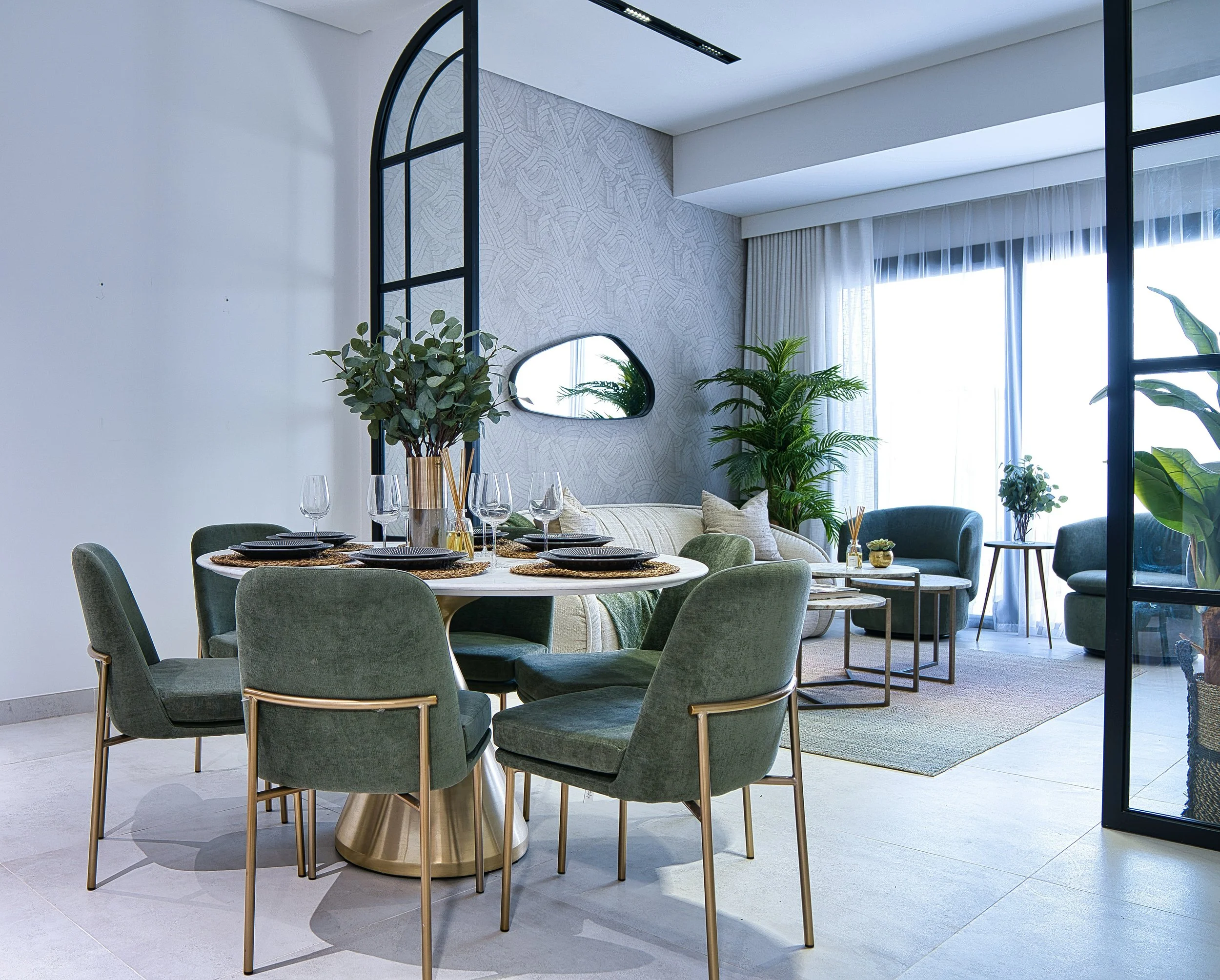
Photo by Usman Mehmood on Unsplash
At the same time, glass is appearing everywhere beyond windows.
Smoked glass wardrobes, bronze-tinted mirrors, ribbed partitions, glass dining tables, illuminated shelving, and reflective side tables are helping interiors feel brighter and more visually open without losing warmth.
The result is a style that feels somewhere between luxury fashion retail, boutique hospitality, and contemporary home design.
Gold Accents Are Replacing Cooler Silver Finishes
For years, many modern interiors relied heavily on chrome, brushed nickel, cool gray palettes, and minimalist black detailing. That look is gradually shifting.
Warmer metallics are becoming much more common inside luxury homes.
Champagne gold, satin brass, brushed bronze, and muted metallic finishes now appear regularly in faucets, mirrors, cabinet handles, lighting fixtures, shelving systems, and decorative accents. Designers are increasingly using gold tones because they soften modern interiors without making spaces feel overly traditional.
This is especially noticeable in kitchens and bathrooms.
Gold hardware paired with cream stone countertops, textured wood cabinetry, and warm lighting creates interiors that feel more layered than the colder monochrome trends that dominated several years ago.
The metallic trend is also expanding into furniture.
Coffee tables with gold frames, curved brass lighting, metallic-legged dining chairs, and reflective side tables are becoming standard pieces in many upscale interiors. Rather than acting as flashy statement items, these details are now integrated throughout entire rooms.
Luxury Decor Trends Are Starting To Follow The Same Direction As High End Dubai Developments
One reason this aesthetic is spreading so quickly is because luxury residential design and interior decor are becoming closely connected.
High-end developments in Dubai increasingly market not just apartments but complete lifestyle environments built around hospitality-inspired interiors. Developers such as Binghatti have helped popularize dramatic gold accents, sculptural forms, illuminated interiors, and boutique-hotel styling inside luxury residences.
That influence naturally spreads into home decor trends.
People browsing modern luxury properties in Dubai are not simply looking at architecture. They are also seeing coordinated interior palettes built around warm metallic finishes, layered lighting, smoked glass surfaces, oversized mirrors, and contemporary furniture styling.
These interiors resemble luxury fashion boutiques almost as much as ordinary apartments.
Curved seating, sculptural chandeliers, reflective wall panels, marble surfaces, textured fabrics, and integrated lighting all contribute to a highly polished atmosphere that many homeowners now want to recreate on a smaller scale.
The effect is visible far beyond Dubai itself.
Interior brands in the US and Europe increasingly sell decor collections built around bronze mirrors, gold-framed shelving, smoked glass lamps, and soft neutral palettes that strongly resemble luxury hospitality interiors popularized in the Gulf region.
Smoked Glass Is Becoming A Major Interior Trend
One of the most noticeable shifts happening in modern interiors is the growing use of tinted and textured glass.
Clear glass still appears widely, but smoked finishes are becoming far more fashionable because they create softness and depth inside rooms.
Bronze, gray, and champagne-tinted glass now appear in:
Wardrobe doors
Cabinet inserts
Dining tables
Decorative mirrors
Room dividers
Side tables
Pendant lighting
These finishes help interiors feel reflective without becoming too cold or sterile.
Designers also like smoked glass because it works particularly well with warm metallic finishes and soft lighting systems. Together they create a boutique-hotel atmosphere that feels luxurious but still relatively calm.
Ribbed and fluted glass are also growing rapidly in popularity.
These textured surfaces diffuse light more softly while adding visual layering to kitchens, bathrooms, and storage areas.
Lighting Became Part Of The Decor Instead Of Just Function
Lighting is now one of the most important parts of luxury interiors.
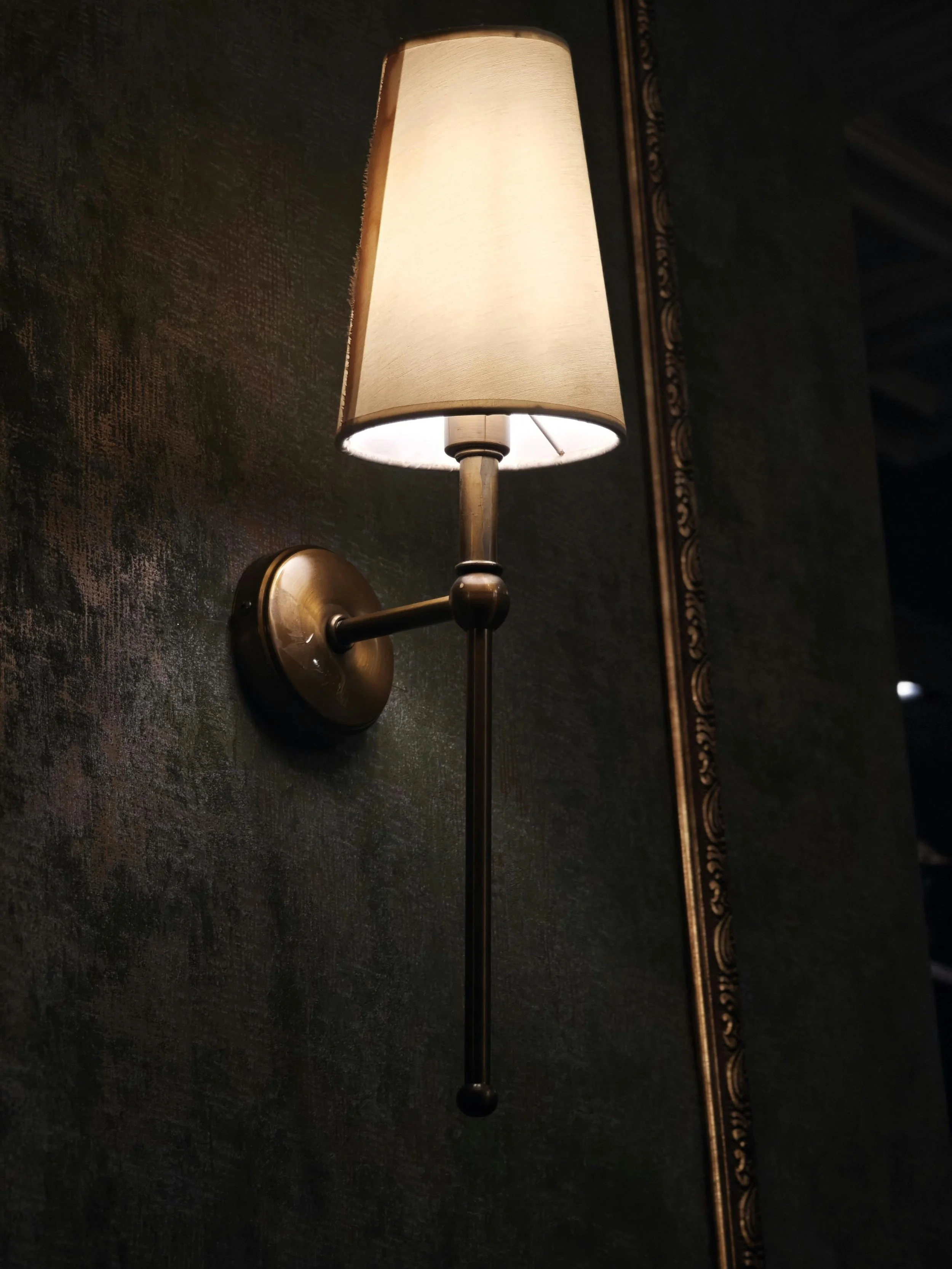
Modern high-end spaces rarely rely on a single overhead fixture anymore. Instead, rooms are designed using layered lighting systems combining pendant lights, concealed LED strips, illuminated shelving, wall sconces, floor lighting, and table lamps.
This approach originally became highly visible inside boutique hotels and luxury residential towers residential towers. Now it is appearing throughout ordinary home decor trends.
Warm lighting reflects especially well against gold surfaces and smoked glass, helping rooms feel softer during evenings. This is one reason warm-toned lighting systems are replacing the cooler bright-white LED lighting that dominated many homes several years ago.
Interior designers increasingly focus on atmosphere rather than brightness alone.
The goal is to create rooms that feel comfortable, reflective, and visually textured instead of overly exposed.
Curved Furniture Is Replacing Sharp Minimalism
Another major shift connected to this luxury trend is the move away from rigid geometric minimalism.
For years, modern interiors leaned heavily toward sharp corners, hard lines, and highly angular furniture. Newer luxury spaces increasingly use softer forms.
Curved sofas, rounded mirrors, sculptural chairs, oval coffee tables, and arched lighting fixtures are becoming common because they balance reflective surfaces more effectively.
This creates interiors that feel less corporate and more hospitality-driven. The influence from luxury hotels is obvious.
Boutique hospitality spaces spent years refining interiors designed to feel visually dramatic but physically comfortable at the same time. Residential decor trends are now borrowing heavily from that formula.
Fashion Retail Is Influencing Interiors Too
Another reason gold-and-glass interiors feel so polished is because luxury fashion retail heavily shaped the aesthetic.
High-end fashion boutiques often combine reflective surfaces, warm metallics, dramatic lighting, textured stone, and sculptural furniture to create immersive environments.
Modern luxury interiors increasingly use the same techniques.
Walk-in closets now resemble designer retail spaces. Bathrooms use illuminated mirrors and marble similar to upscale hotel spas. Living rooms incorporate display shelving styled more like boutique storefronts than traditional family spaces.
The overlap between fashion and interiors keeps growing stronger.
Decorative Mirrors Became Statement Pieces Again
Mirrors are also playing a much larger role in modern decor.
Instead of small functional mirrors, homeowners increasingly use oversized floor mirrors, bronze-tinted panels, curved reflective surfaces, and sculptural mirror installations as focal points inside rooms.
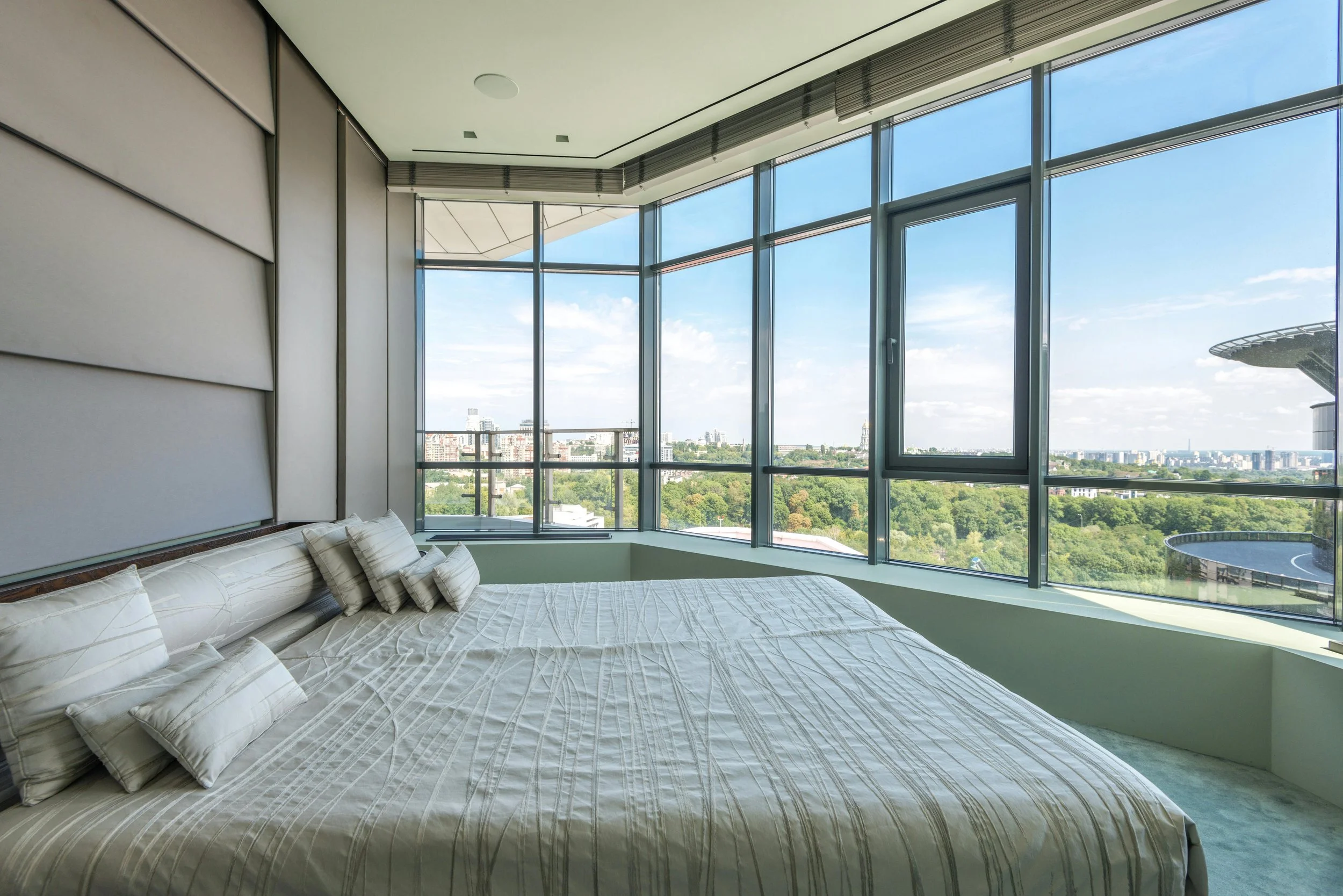
This trend works particularly well in apartments because reflective surfaces make spaces feel brighter and larger.
Gold-framed mirrors combined with textured lighting have become especially popular because they create a softer luxury look than older high-gloss glam interiors.
Texture Is Replacing Excessive Shine
Although reflective materials remain important, the overall trend is becoming more balanced.
Modern luxury interiors now combine polished surfaces with softer textures such as linen upholstery, boucle seating, matte woods, woven rugs, and textured wall finishes.
This prevents metallic and glass-heavy rooms from feeling overly cold.
The combination of reflective materials and soft fabrics creates the layered atmosphere now associated with boutique luxury interiors.
The Trend Is Becoming More Livable
Perhaps the biggest reason this aesthetic is spreading is because it evolved into something more practical.
Earlier luxury interiors often focused heavily on visible extravagance. The newer gold-and-glass style feels more restrained and easier to live with daily.
Warm lighting, softer metallics, curved furniture, tinted glass, textured fabrics, and boutique-hotel styling all help luxury spaces feel calmer without losing visual impact.
That balance is why the trend continues expanding beyond Dubai towers and into ordinary home decor itself.
People are no longer just admiring luxury architecture from the outside.
They are increasingly bringing the same atmosphere into their living rooms, bedrooms, kitchens, and everyday interiors.




The best stylish door handles.