

How to Keep Your Home Safe During Seasonal Weather Changes
/The weather can change quickly with the seasons, so it's important for homeowners to make sure their homes are ready for the problems that each season brings. Whether it's the hard winter cold, the sweltering summer heat, or the heavy spring and fall rains, you need to take different steps to protect your home in each season. You can use the tips in this article to keep your home safe as the seasons change.
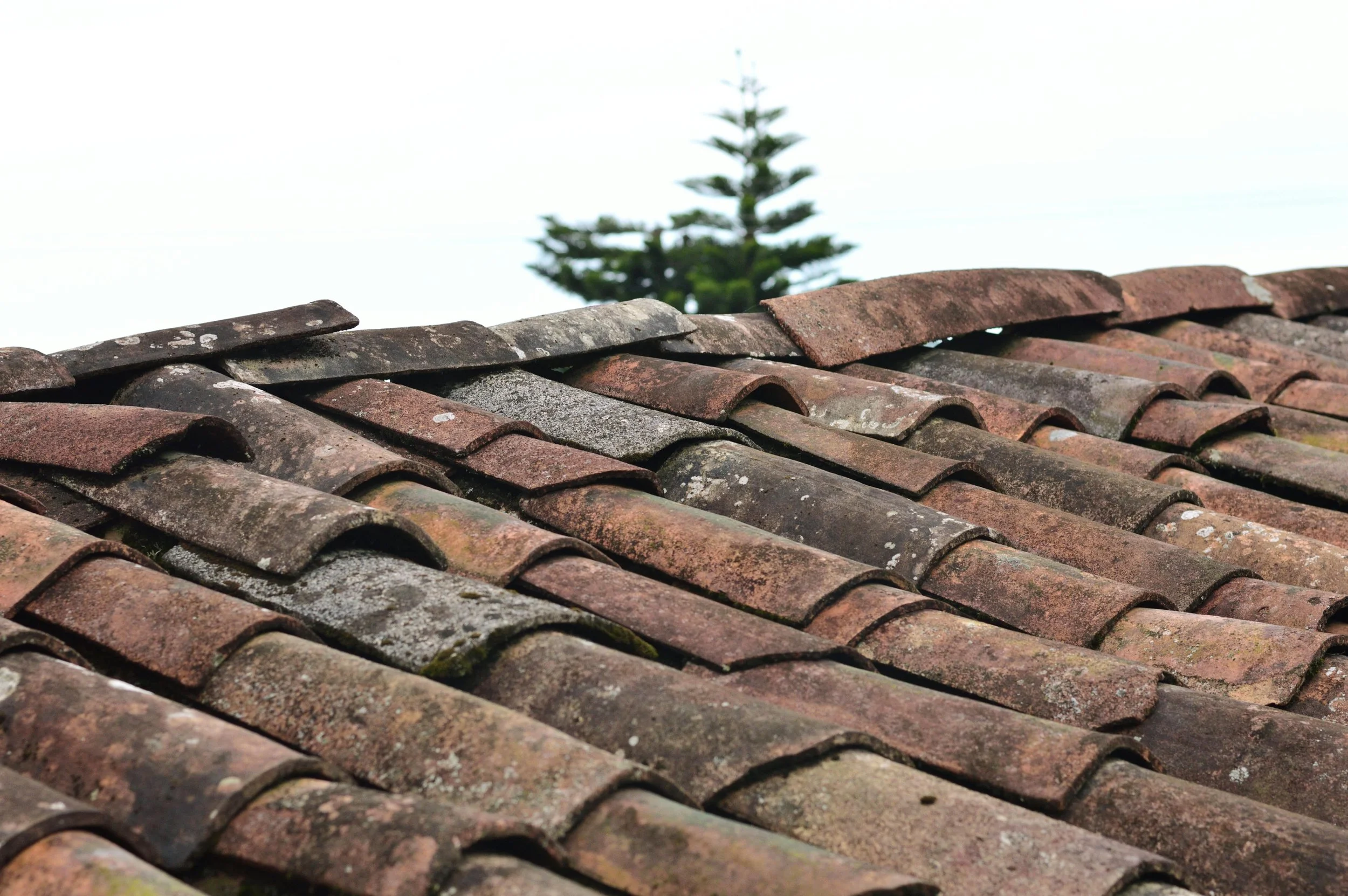
1. Inspect and Maintain Your Roof
When the seasons change, your roof is the first thing that protects your home from the weather. Before winter sets in, inspect your roof for missing shingles, leaks, or damage that could worsen during snowstorms or heavy rainfall. It’s also important to clear your gutters of debris before fall or spring rains to prevent water from accumulating and causing leaks or foundation damage. If you live in an area prone to snow, consider installing heating cables in your gutters to prevent ice dams.
2. Prepare Your Heating and Cooling Systems
Having a broken heating system can leave you open to the hard winter weather during the colder months. Before it gets cold, have a professional check out your heating system to make sure it's working well. Make sure your thermostat is set properly, change the air filters, and check the ducts for leaks.
Also, get your air conditioner repaired before the summer months get too hot. Check for refrigerant leaks, clean or change filters, and make sure the system is working right to avoid expensive repairs and discomfort during a heatwave.
3. Seal Drafts and Insulate Your Home
Sealing off drafts and protecting your home are very important for keeping the temperature inside comfortable and lowering your energy bills. In the winter, drafts around doors and windows can let heat escape, making your heater work harder. During the summer, the outside heat can get into your house and make your air conditioner work too hard. Weatherstripping or glue should be used to fill in any gaps you find around windows, doors, and vents. You can stay warmer in cold weather and save even more money on your energy bills by insulating your walls and attic.

4. Prepare for Extreme Weather Events
Depending on where you live, different seasons can bring extreme weather like storms, hurricanes, and tornadoes. Know who your local emergency plumber is and keep their information on-hand to ensure a quick response time to any issues that come up. Having a plan for how to handle bad weather is very important. For example, make sure your windows and doors are stronger during hurricane season by adding storm shutters or boards. If you live in an area that often floods, you should get sump pumps and make sure your drainage systems are working right.
Put together a survival kit with things like water, food, medicine, flashlights, and first-aid kits. Make sure everyone in the house knows what to do in case of an emergency and keep this kit somewhere easy to get to. You could even consider sharing your experience through a quality guest post to help others in your community prepare for extreme weather events.
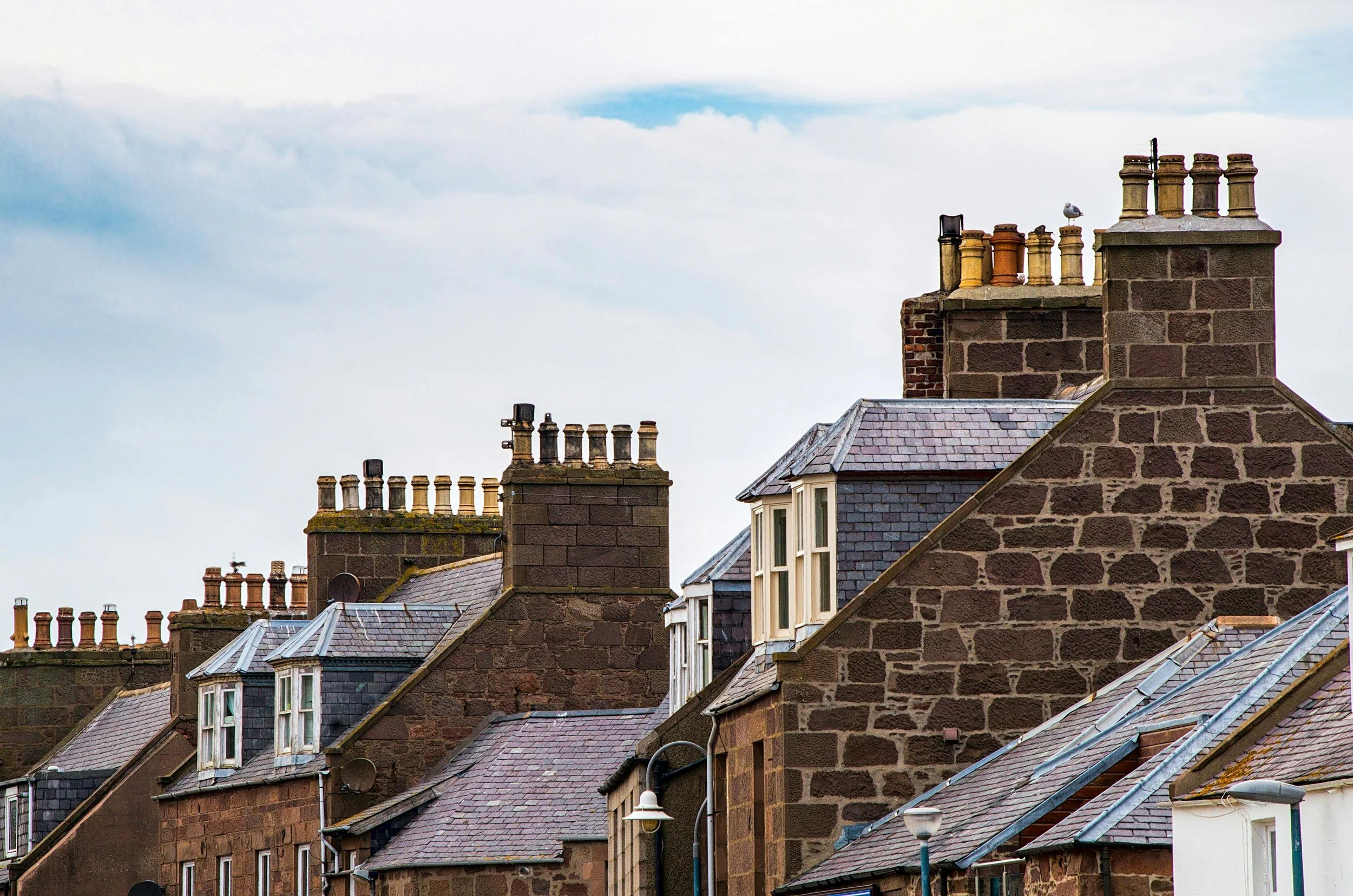
5. Inspect and Clean Your Chimney
If you use a stove in the winter, you should have your chimney checked out and cleaned before the cold weather comes. Crescens, which is made when wood burns, can gather in the chimney and raise the risk of a fire. A chimney sweep can get rid of this buildup and make sure your chimney is clean and safe to use.
Conclusion
To keep your home safe when the weather changes with the seasons, you need to plan ahead, do maintenance, and move quickly. You can keep your home comfortable all year by checking and keeping important parts like your roof, heating and cooling systems, and windows. This will lower the risk of damage from the weather and keep your home safe. If you follow these steps, you'll be better prepared for the difficulties that each season brings, and you'll be able to protect your family and property.







Serena and Lily Wave Mirror dupes.