
WHAT MAKES A HOME FEEL WARM AND INVITING?
/A home is more than just aesthetics; it’s about the emotions it evokes. Even small details, like a pleasant scent or carefully arranged furniture, have an impact. Thus, a truly inviting home balances style with comfort. This guide explores how different elements shape a home’s atmosphere, offering practical tips to create a warm, inviting space.
The Essence of a Welcoming Home: Key Elements That Make a Space Feel Inviting
The Role of Lighting
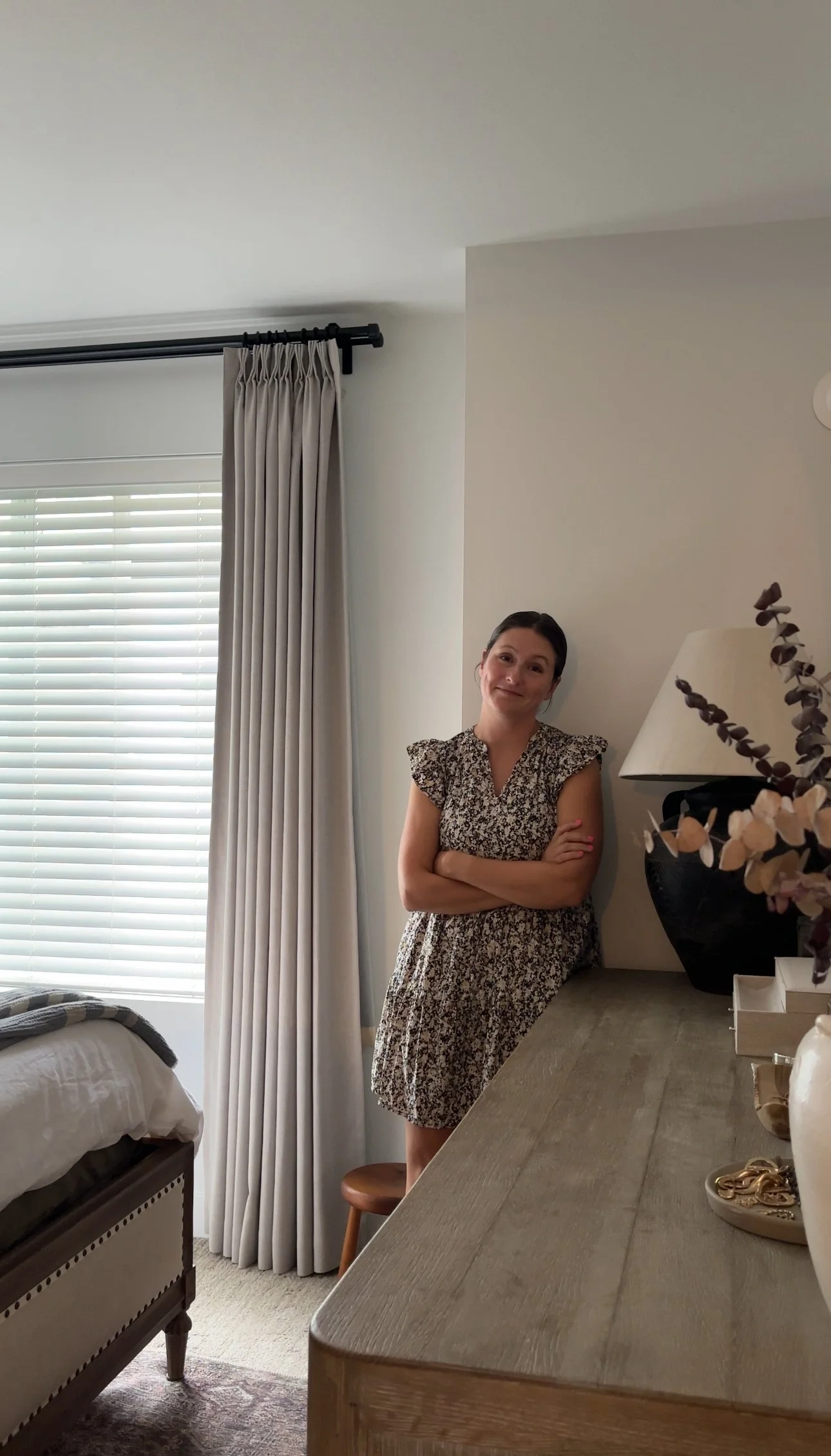
Lighting influences how a home feels at any time of day. Overhead fixtures alone often create a flat or harsh look, making spaces feel uninviting. Instead, layering different light sources adds depth and warmth. Soft, warm-toned bulbs in table lamps, sconces, and pendant lights create a cozy atmosphere, while dimmable lighting allows for adjustments based on mood and activity.
Natural light also plays a vital role—sunlight streaming through sheer curtains makes a space feel airy and welcoming, while strategically placed mirrors can help reflect light into darker corners.
Color and Texture Choices
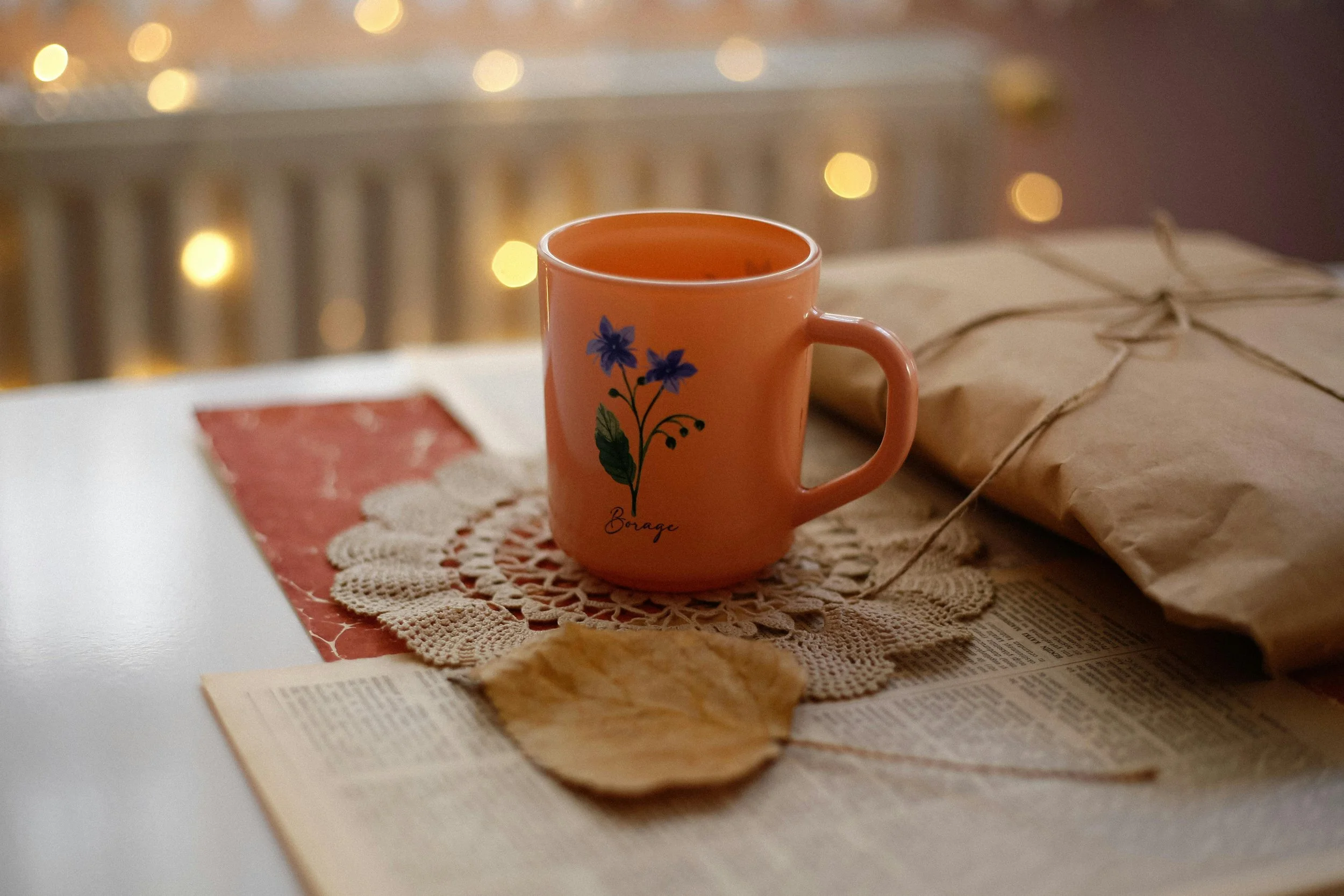
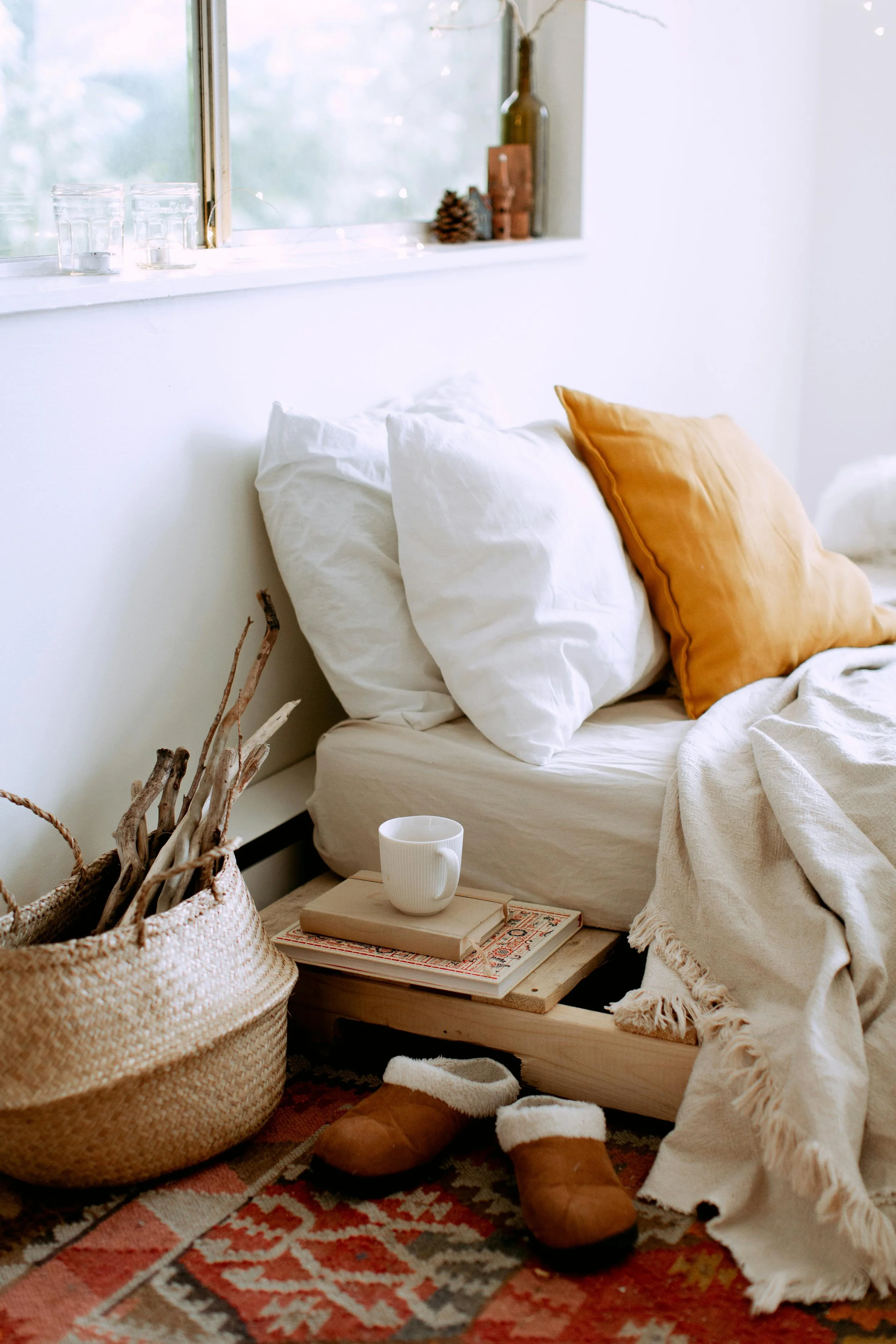
Colors impact emotions, with warm hues like terracotta, mustard, and deep greens creating a cozy environment, while soft neutrals like beige and greige offer a calming backdrop. Texture adds another layer of warmth, preventing rooms from feeling flat or cold.
Further, according to Boss Design Center interior designers, a mix of materials—such as a wool rug underfoot, a woven throw on a leather sofa, and linen curtains softening a window—creates a sense of comfort and depth.
Furniture Arrangement and Comfort
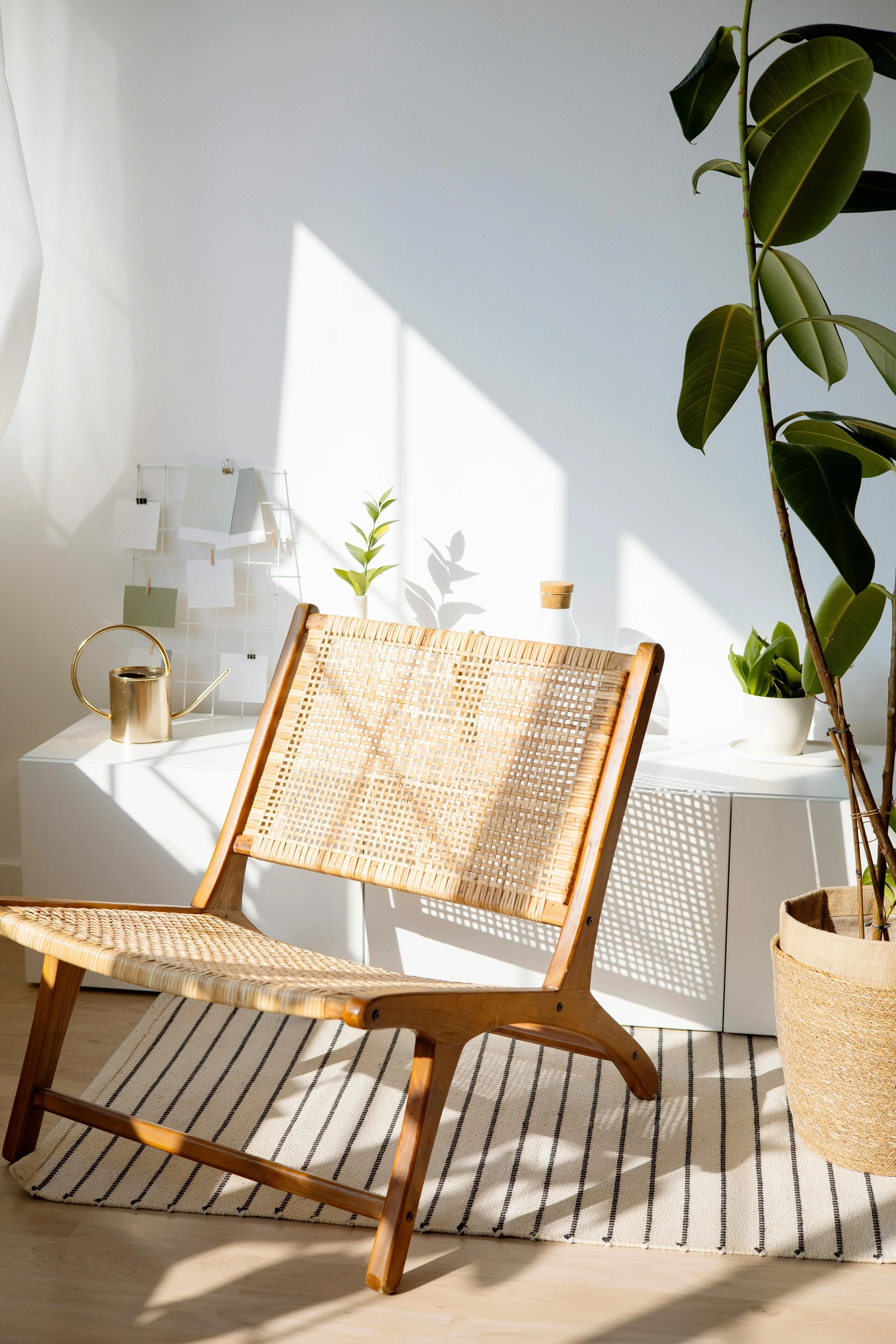
When decorating your home, a room’s layout directly affects how people interact in it. Thus, the seating should encourage conversation and relaxation rather than being too far apart or solely facing a television. Sectionals, accent chairs, and ottomans can define a cozy sitting area, while round coffee tables and soft area rugs add warmth and cohesion.
Beyond placement, the comfort level of furniture matters. Firm, cold seating feels unwelcoming, whereas deep cushions and supportive armrests invite people to linger.
Personal Touches and Décor
Generic décor can look stylish, but it lacks the warmth that comes from personal items. For instance, framed family photos, personalized canvas prints, a favorite stack of books on a side table, or art collected from travels create a connection between the home and its inhabitants.
Layering these details thoughtfully—without overwhelming the space—adds charm. Even practical items, like decorative storage baskets or vintage trays, can serve both functional and aesthetic purposes, making a home feel curated yet effortless.
The Power of Scent and Sound
Beyond visual appeal, a home’s sensory elements contribute to its overall feel. Certain scents instantly create warmth—freshly baked bread, vanilla candles, or diffusers with essential oils like lavender and sandalwood can transform the atmosphere.
Subtle background sounds also enhance coziness. For instance, gentle acoustic music, the hum of a fireplace, or even the quiet trickle of a water fountain adds to the feeling of relaxation.
Maintaining a Clean and Clutter-free Space
A cluttered home can feel overwhelming, while a well-organized space allows people to relax. However, an inviting home isn’t about perfection—it’s about striking the right balance. A spotless space with no personal elements can feel cold, while excessive clutter can be visually exhausting. Thoughtful organization keeps the home tidy without making it feel sterile.
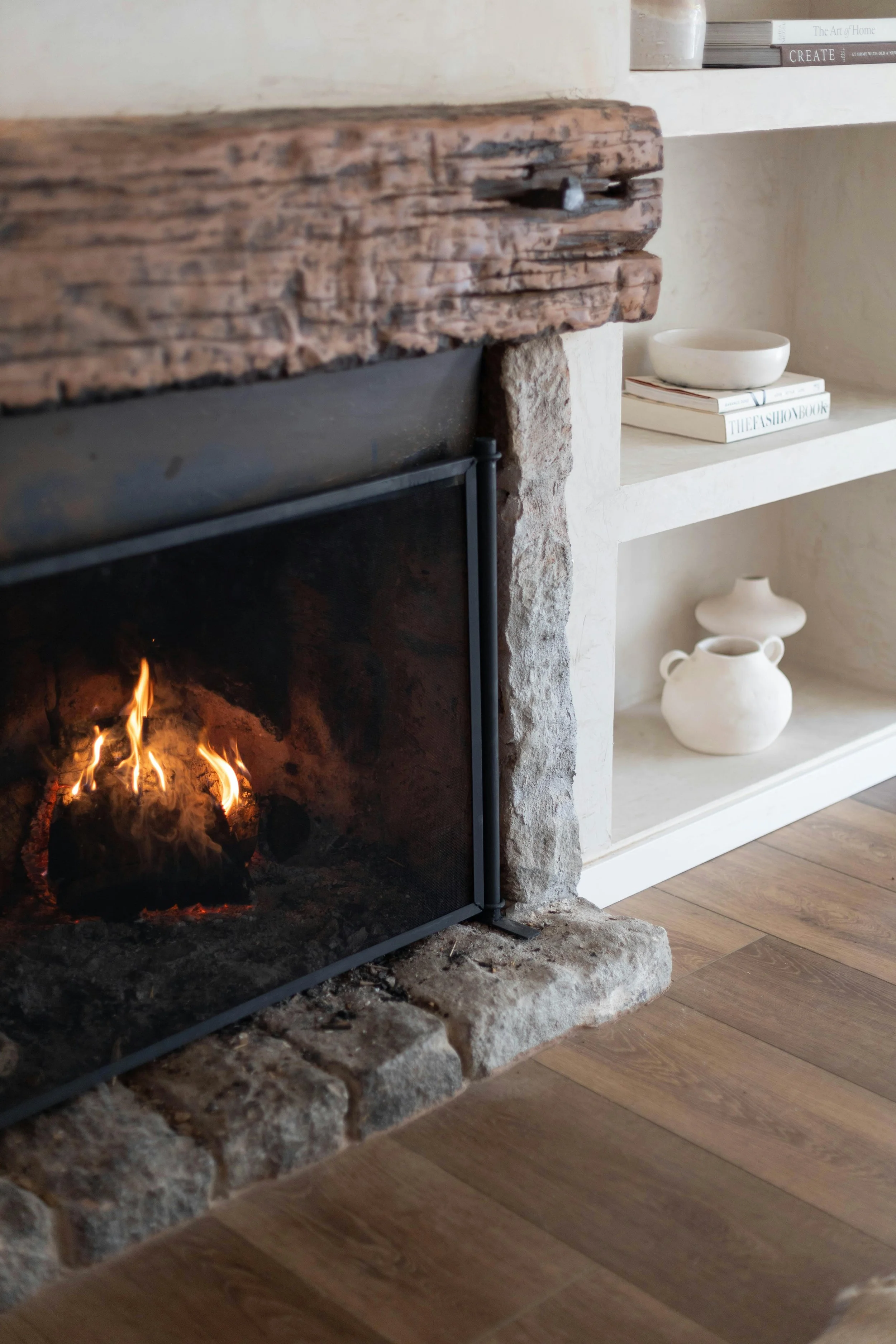
For example, open shelving with neatly arranged essentials can make frequently used items accessible without appearing messy, while closed storage solutions keep visual clutter to a minimum.
In high-traffic areas, designated spaces for everyday items—such as hooks for coats, trays for keys, or storage ottomans for blankets—help maintain a sense of order without sacrificing convenience. Regularly decluttering high-traffic areas, like entryways and living rooms, ensures the home remains functional and inviting.
Bringing Nature Indoors
Natural elements add an organic warmth that makes a home feel more inviting. For example, indoor plants bring life and vibrancy, with low-maintenance options like pothos, snake plants, and peace lilies being easy ways to introduce greenery.
In addition, wooden furniture, woven rattan accents, and stone details create a grounding effect, making the space feel more connected to nature. Even something as simple as a vase of fresh flowers on a coffee table can add warmth and freshness. If possible, maximizing outdoor views—whether through large windows or glass doors—helps blur the line between indoors and outdoors, enhancing the overall sense of openness and tranquility.
Temperature and Tactile Warmth
A home that feels physically warm is naturally more inviting. In colder months, layering textiles like throw blankets, plush rugs, and heavy curtains helps retain warmth while adding softness. Heated floors, fireplaces, or strategically placed space heaters enhance the coziness. In warmer months, breathable fabrics like cotton and linen ensure comfort.
Beyond temperature control, tactile warmth matters as well. Smooth, hard surfaces alone can feel uninviting, but incorporating soft elements—like a velvet cushion on a leather chair or a sheepskin rug over tile flooring—adds warmth and texture.
Conclusion
Every element that makes your home warm and inviting serves a purpose beyond aesthetics. For instance, thoughtful lighting softens a space, while colors and textures influence mood and comfort. In addition, a well-arranged room encourages interaction, and personal touches make a house feel like home.
Ultimately, when a space feels warm and inviting, it becomes a place where people want to gather, relax, and feel at ease—turning a house into a home.






The best stylish door handles.